
Why Can’t Adults Find Choose-Your-Own-Adventure Books? Trademark Barriers
Remember those Choose Your Own Adventure books from childhood? Millions of adults are searching for grown-up versions but can’t find them—and the…
Remember those Choose Your Own Adventure books from childhood? Millions of adults are searching for grown-up versions but can’t find them—and the reason isn’t what you’d expect. Here’s why a trademark issue is hiding an entire $3.8 billion industry in plain sight.
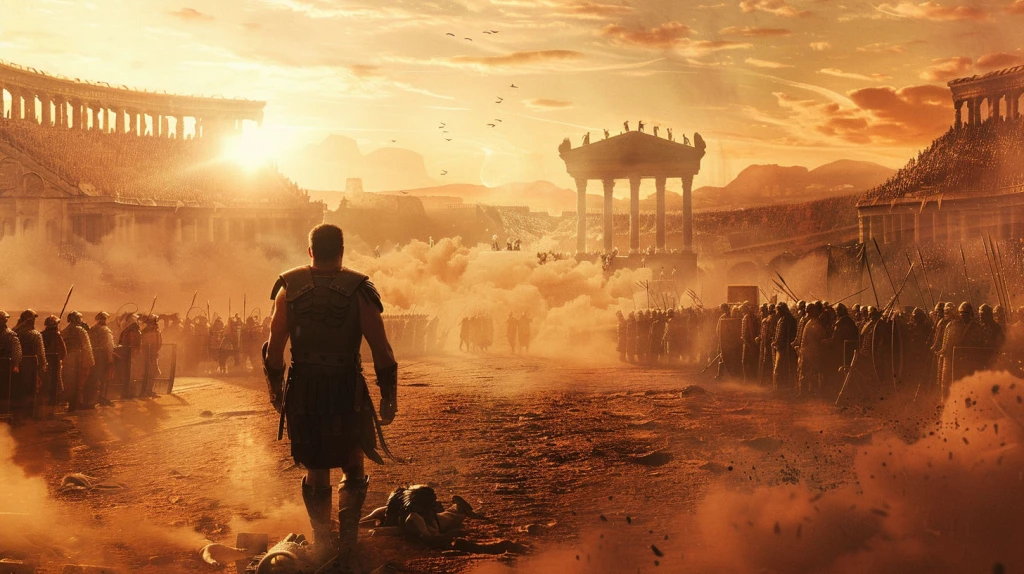
Key Takeaways:
- Adults struggle to find Choose Your Own Adventure books because the term is a trademarked brand primarily associated with children’s content, creating a significant discovery barrier.
- A thriving market for adult interactive fiction exists under alternative names like “gamebooks,” “interactive fiction,” and “interactive novels.”
- The interactive fiction market is valued at $3.8 billion and growing at 12% annually, driven by digital fatigue and demand for immersive storytelling.
- Historical settings offer sophisticated narratives that appeal to adult readers seeking complex, mature interactive experiences.
Millions of adults who fondly remember flipping through Choose Your Own Adventure books as children find themselves hitting a wall when searching for similar content designed for mature readers. The frustration is real, widespread, and rooted in a trademark barrier that has inadvertently hidden an entire genre from its natural audience.
The Trademark That Created a Genre Gap
Choose Your Own Adventure is a registered trademark owned by Chooseco LLC, specifically classified for “series of fiction books for young adults.” This legal protection has created an unexpected consequence: adult interactive fiction publishers cannot use the familiar term that most readers associate with choice-driven narratives. Netflix discovered this firsthand when Chooseco issued legal challenges over “Black Mirror: Bandersnatch,” arguing that the streaming giant’s interactive episode infringed on their trademark.
The trademark protection extends beyond just the phrase itself. Chooseco actively defends against any commercial use that might dilute their brand association with children’s adventure stories. This has forced the entire adult interactive fiction industry to operate under different terminology, creating a discoverability crisis that separates eager readers from the content they’re seeking.
Reddit threads in communities like r/suggestmeabook regularly feature adults asking the exact question: “Do choose your own adventure books exist for adults?” The top-voted responses consistently explain the core problem: “They aren’t labeled ‘choose your own adventure’ because that term is trademarked… Instead, they’re known as Gamebooks.” Companies like Hawkes Adventures have emerged to serve this underserved market with historically grounded interactive narratives that deliver the sophisticated storytelling adult readers crave.
What Adult Interactive Fiction Actually Goes By
The adult interactive fiction market thrives under several alternative names, each with subtle distinctions that reflect different approaches to reader agency and narrative structure.
1. Gamebooks
Gamebooks represent the closest equivalent to traditional Choose Your Own Adventure formats. These printed or digital books feature numbered paragraphs where readers make decisions that lead to different story paths. Modern gamebooks often incorporate skill checks, inventory management, and character attributes that add strategic depth beyond simple narrative choices. The Fighting Fantasy series exemplifies this approach, offering sword-and-sorcery adventures with dice-rolling mechanics and complex branching storylines.
2. Interactive Fiction
Interactive fiction encompasses a broader category that includes text-based computer games, choice-driven narratives, and hybrid formats that blend traditional prose with interactive elements. This terminology gained prominence in digital spaces where readers navigate stories through hyperlinks, menu selections, or command inputs. Contemporary interactive fiction spans genres from horror and romance to literary fiction, demonstrating the format’s versatility beyond adventure stories.
3. Interactive Novels
Interactive novels emphasize literary quality and character development over puzzle-solving or combat mechanics. These works often feature multiple protagonists, complex moral dilemmas, and sophisticated narrative structures that reward multiple readings. Choice of Games has popularized this format with titles that address themes like political intrigue, historical drama, and social relationships through meaningful reader decisions.
Where Adults Are Successfully Finding Interactive Stories
Choice of Games Platform
Choice of Games operates as the world’s largest publisher of interactive novels, hosting hundreds of titles across diverse genres and themes. Their platform offers both free and premium content, with stories ranging from historical epics like “Guns of Infinity” to contemporary romance and science fiction. The company’s hosted games program allows independent authors to publish their interactive works, creating a robust ecosystem of choice-driven narratives specifically designed for adult audiences.
However, readers seeking historically authentic experiences often find the platform’s offerings too fantastical or anachronistic. Many titles blend genres or incorporate modern sensibilities that dilute the immersive historical experience some readers prefer.
Fighting Fantasy Revival
The Fighting Fantasy series has experienced renewed popularity among adults who appreciate its combination of strategic gameplay and narrative adventure. These gamebooks require dice rolls and character sheet management, appealing to readers who want tactical challenges alongside their storytelling. Publishers have reissued classic titles while commissioning new entries that maintain the series’ distinctive blend of adventure and game mechanics.
The Billion-Dollar Interactive Fiction Market
The global interactive fiction market was valued at $3.8 billion in 2024 and projects growth to $7.8 billion by 2032, representing a compound annual growth rate of 12%. This expansion reflects increasing demand for immersive storytelling experiences that offer readers agency in narrative outcomes.
Market research indicates that 28% of Americans have engaged with interactive fiction on digital devices, with the highest participation rates among Gen Z adults at 43%. Millennials represent a significant demographic for traditional gamebook formats, suggesting strong crossover potential between nostalgic readers and emerging interactive media consumers.
The fastest-growing segments include romance, mystery, and horror interactive fiction, while historical settings maintain a dedicated but underserved niche market. This growth trajectory indicates robust commercial viability for publishers willing to invest in quality interactive content.
Historical Settings Offer Complex Adult Narratives
Historical interactive fiction provides sophisticated narrative frameworks that naturally accommodate adult themes and moral complexity. Settings like ancient Rome, medieval Europe, or feudal Japan offer rich cultural contexts where readers can address power dynamics, social hierarchies, and ethical dilemmas without the escapist fantasy elements that characterize much interactive fiction.
These historically grounded narratives appeal to readers who want educational value alongside entertainment. Well-researched historical gamebooks teach players about military tactics, political systems, daily life, and cultural beliefs while delivering engaging adventure stories. The Real Life Gamebooks series exemplifies this approach, allowing readers to experience historical periods like the French Revolution or American War of Independence through choice-driven narratives that incorporate period-accurate details and consequences.
Historical settings also provide natural constraints that improve storytelling. Rather than offering unlimited possibilities, historically authentic gamebooks ground reader choices in realistic consequences that reflect the values, limitations, and opportunities of specific time periods.
The Solution: Know What to Search For
Adult readers seeking Choose Your Own Adventure-style content need to adjust their search strategies to overcome the trademark barrier. Instead of searching for “choose your own adventure for adults,” try terms like “adult gamebooks,” “interactive historical fiction,” “choice-driven narratives,” or “interactive novels for adults.”
Online communities provide excellent discovery resources. Reddit’s r/gamebooks actively discusses modern titles, while Goodreads maintains curated lists of adult interactive fiction. The Choice of Games forum features reader discussions about historical and literary interactive works.
For readers specifically interested in historically authentic experiences, search for “historical gamebooks,” “interactive historical adventure,” or specific time periods combined with “interactive fiction.” Publishers specializing in this niche often emphasize research accuracy and mature themes in their marketing materials.
The key is understanding that the content exists and thrives under different names. Once readers learn the correct terminology, they discover a vibrant market of sophisticated interactive narratives designed specifically for adult interests and reading levels.
Ready to experience historically authentic interactive adventures? Visit Hawkes Adventures to discover choice-driven historical gamebooks that transport you from Roman arenas to medieval battlefields and beyond.