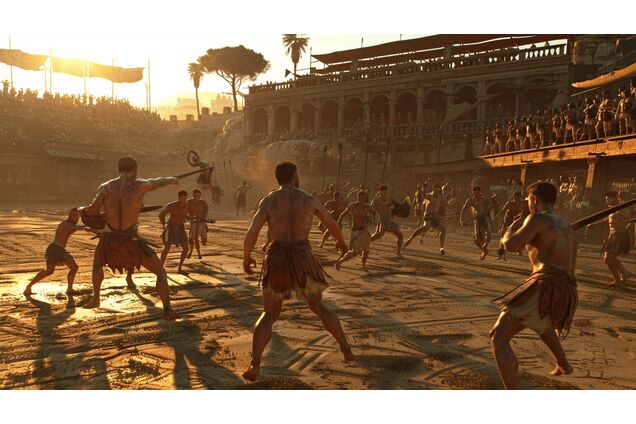
What Survival Meant in the Ancient Arena
Survival as a Beginning Survival was never the goal. It was the beginning of another trial. In the ancient arena, survival was…
Survival as a Beginning
Survival was never the goal. It was the beginning of another trial.
In the ancient arena, survival was not binary. A man lived, or he did not—but between those states were strata of meaning. A victory without spectacle bought nothing. A draw without discipline cost dearly.
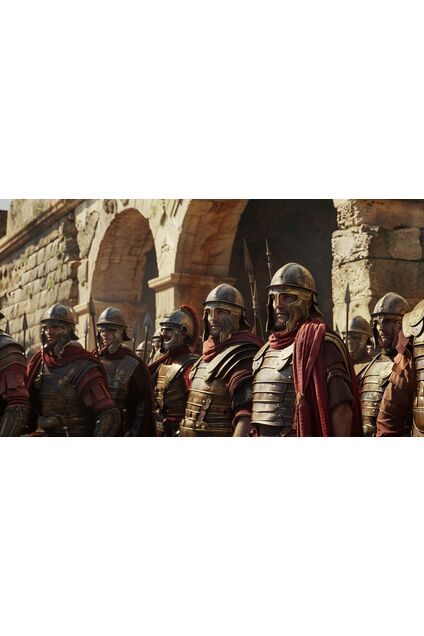
Beyond Life and Death
What made survival valuable—if not life itself?
This is the misunderstanding of modern depictions. Survival in the arena was not granted by mercy. It was purchased through relevance.
Every fighter was an investment. Trained. Fed. Watched. To waste such an investment in blood for blood’s sake was foolish. The arena rewarded presence—composure, control, the ability to remain under judgment without disintegrating.
The Price of Presence
Survival without favor meant only repetition. The gate again. The eyes again. The weight of expectation again.
In Lanista, this is not dramatized for effect. It is core. A man may survive and still lose ground. He may endure and find himself diminished. Victory is not merely enduring. It is enduring correctly.
Those who learned restraint, who fought with awareness, who measured aggression rather than surrendered to it—these were the ones who moved forward.
Relevance as Currency
The audience did not cheer brutality without sense. They valued control. And control under pressure became the currency of progression.
Survival was not passive. It was an act. An offering. And it was accepted—or not.