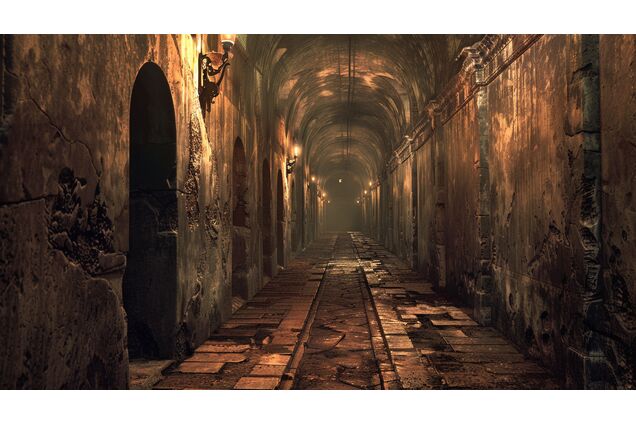
Designing Rivalry Without Villains
Not Every Opponent Is Evil Conflict doesn’t need a villain. It needs tension. In Lanista, rivalry emerges from the world itself. Limited…
Not Every Opponent Is Evil
Conflict doesn’t need a villain. It needs tension.
In Lanista, rivalry emerges from the world itself. Limited advancement. Constant scrutiny. Proximity without protection.
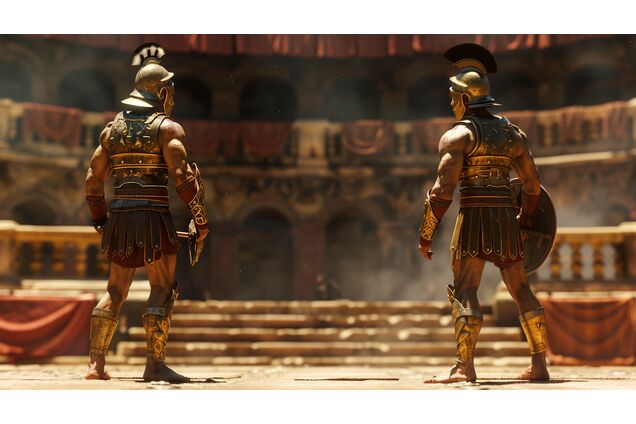
Two men. One path. No blame.
The Pressure of Mutual Observation
Gladiators train together. Compete together. Rise—or fall—together.
Every success is someone else’s narrowing future. Hatred isn’t necessary. Awareness is.
Rivalry becomes structure. It’s not emotional—it’s architectural.
What This Means for Readers
No easy hatred. No cartoonish enemies. The reader is forced to consider both sides. To understand that one man’s victory has cost—even if the loser deserved to win too.
The Conflict That Doesn’t End
Villains can be defeated. Rivals remain.
The arena may resolve a match. But the system—the structure of limited ascent—never sleeps. Rivalry is the long shadow that follows every step forward.