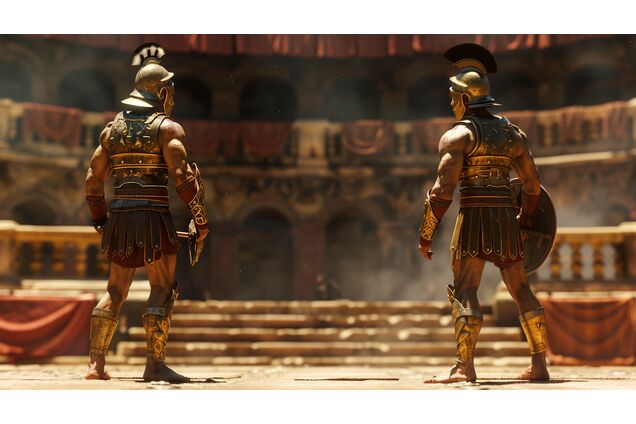
Designing a World That Does Not Forgive
Refusing the Reset Forgiveness makes storytelling easier. It resets the stakes. It spares characters from consequence. I rejected it. The world behind…
Refusing the Reset
Forgiveness makes storytelling easier. It resets the stakes. It spares characters from consequence.
I rejected it. The world behind Lanista is not cruel—it is consistent. A man’s choices define his path. They echo. They calcify.
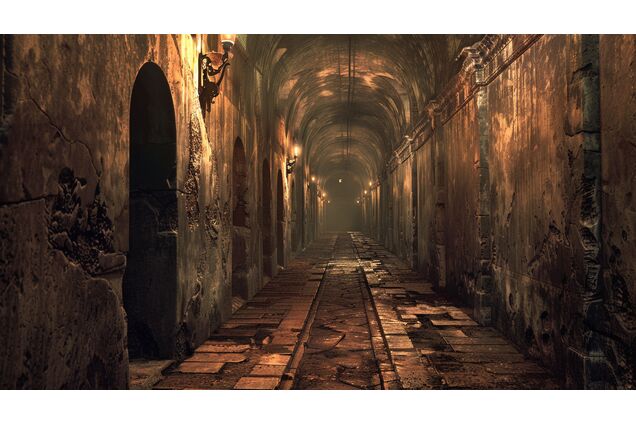
Memory as Law
What kind of world speaks with authority—one that forgets, or one that remembers?
Forgiveness, in a world built upon hierarchy, does not arrive freely. When granted, it serves the structure, not the heart. This is why the world does not forgive.
Loss is remembered. Trust is brittle. Advancement is steep.
Consequence Without Interference
To build such a world requires discipline. The author must not interfere. The reader must feel the permanence of failure and the difficulty of repair.
The Hope That Endures
Hope does not disappear. It relocates. Hope lies in adaptation—in carrying the consequence forward with clarity rather than erasing it. A man who stumbles must step again on uneven ground. If he rises, it is because he changed, not because the world relented.