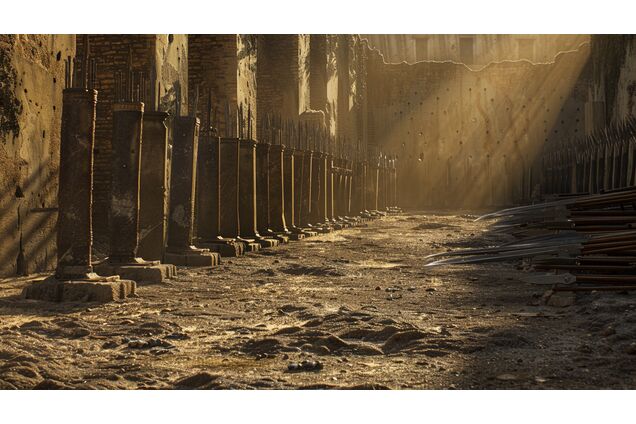
The Arena Is Not the Enemy
What You Think You Know The arena is not chaos. It is order held in tension. The image most carry of the…
What You Think You Know
The arena is not chaos. It is order held in tension.
The image most carry of the Roman arena is one of violence—shouts, blood, motion. But that noise is the aftermath. The arena, in its essence, is restraint. It is symmetry. It is design.
In the world of Lanista, this distinction matters.
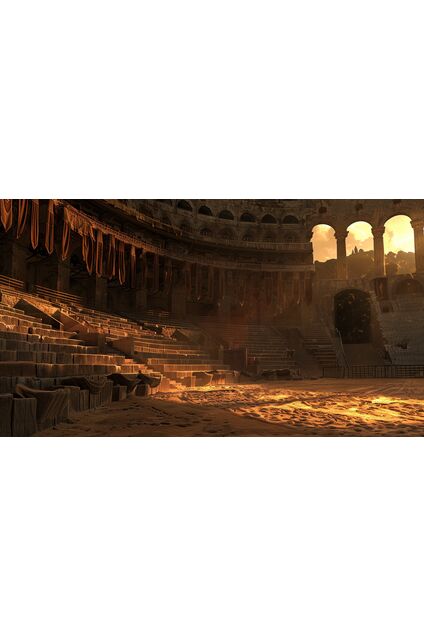
What the Arena Reveals
The arena does not invent courage or fear. It reveals them. It removes shelter, narrows the path, and requires the man to walk it regardless. Pretense dies quickly in such a place. What remains is character.
Historically, Roman arenas were architectural declarations of control. Geometry. Flow. Segmentation. Every arch and corridor had purpose. What appeared as spectacle was underwritten by discipline. A society that feared chaos built structures to frame it tightly.
This philosophy shapes the fictional world behind Lanista. The arena is not a place for random death. It is an instrument of assessment. Pressure is applied, not unleashed. Death occurs, but not indiscriminately. Every moment is observed.
Eyes That Measure
Each gate and corridor serves the logic of observation. There are no spectators without stakes. Survival, when achieved, is not celebrated—it is analyzed. Strength without restraint is failure. Instinct without judgment is waste.
The arena does not rush. It waits. Waiting, in this context, is violence held at arm’s length. It tests composure.
The Honest Mirror
The arena is not cruel. It is honest. And honesty, in this world, has sharp edges.